School vacations arrive with the best intentions rest, reconnection, and a genuine break from academic routine. But somewhere between the first day of holiday and the last, many students find themselves spending the majority of their free time on phones, tablets, and gaming consoles. The solution is not to fill every vacation hour with structured activity. It’s to replace passive screen consumption with experiences that are genuinely engaging, restorative, and when done right far more enjoyable than scrolling. Here’s how families can make that happen.
Why Screen-Free Time Matters During School Vacations
Screens are not inherently harmful but unstructured, unlimited screen time during holidays creates patterns that are genuinely difficult to reverse when school resumes. Educators at the Best Schools in Bangalore consistently observe a pattern: students who return from vacations having spent meaningful time in screen-free activities reading, playing outdoors, pursuing hobbies settle back into academic routines more quickly and more comfortably than those whose holidays were primarily digital. Screen-free time is not a punishment.
Encouraging Creativity Through Art and Craft Activities
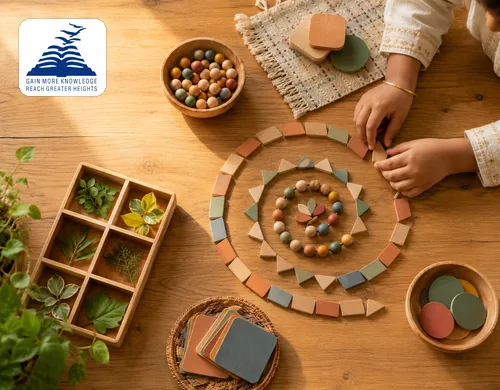
Creative activities engage the brain in ways that screens fundamentally cannot they require original thought, physical engagement, and the satisfying experience of making something that did not exist before. Drawing, painting, origami, clay modelling, collage-making, and DIY jewellery are all accessible, inexpensive, and genuinely absorbing for students across age groups. At top schools in Bangalore with strong arts programmes, teachers frequently observe that students who engage in creative activities during holidays return with stronger visual thinking, better fine motor skills, and a refreshed capacity for imaginative engagement in the classroom.
Building Reading Habits with Fun Books and Stories
Vacation reading should not be assigned or syllabus-linked. It should be genuinely chosen, genuinely enjoyed, and completely free of the pressure that academic reading carries. Fantasy series, mystery novels, graphic novels, science fact books, and adventure stories all count. At the top 10 schools in Bangalore, librarians often share recommended vacation reading lists these are worth asking for and worth following.
Outdoor Games That Keep Students Active and Energised
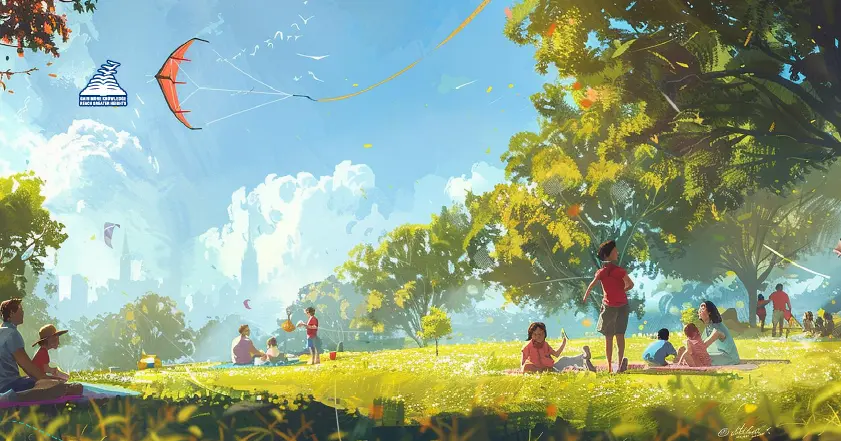
Physical activity during vacations is not optional it is essential. The sedentary nature of screen time, combined with disrupted sleep and irregular meals, creates a physical sluggishness in students that directly affects their energy, mood, and cognitive performance when school resumes.
Outdoor games that students genuinely enjoy include:
- Cricket, football, and badminton
- Cycling
- Swimming
- Traditional Games
- Neighbourhood scavenger hunts
Exploring Hobbies Such as Music, Dance, and Gardening
Vacations are the ideal time to begin or deepen a hobby something pursued purely for the love of it, without grades or performance pressure attached. Music lessons, dance classes, cooking experiments, gardening, photography, and astronomy are all examples of pursuits that develop genuine skills, build patience, and provide the kind of deep satisfaction that passive entertainment rarely delivers. At best play schools in Bangalore through to senior secondary level, schools that nurture student interests beyond academics consistently produce students who are more self-directed, more motivated, and more resilient because they have experienced the rewards of sustained effort in something they genuinely care about.
Simple DIY Projects for Learning and Fun
DIY projects combine creativity, problem-solving, and the deeply satisfying experience of building something functional with one’s own hands. The learning that happens through DIY projects measurement, planning, material understanding, sequential thinking, and the management of mistakes is exactly the kind of practical intelligence that classroom instruction struggles to develop.
Family Activities That Strengthen Bonds and Communication
Vacation is one of the few times in a family’s year when unhurried, unscheduled time together is genuinely available and it is worth protecting. Board games, cooking together, storytelling sessions, water play activities, family movie nights with discussion, and collaborative home projects all create the kind of shared experience and open communication that busy school-term schedules rarely allow. The top CBSE schools in Bangalore frequently remind parents that the communication habits and emotional security built in family life are the foundation on which academic confidence and social capability rest. Vacation family time is not a break from education it is one of its most important settings.
Travel, Nature Walks, and Real-World Exploration
Travel and real-world exploration provide the kind of contextual, sensory, emotionally engaged learning that stays with students for life. Parents do not need to plan expensive or distant travel to provide this. Local nature reserves, botanical gardens, historical sites, science museums, and coastal walks all offer genuine discovery opportunities.
Journaling and Creative Writing for Self-Expression
Writing outside of academic assignments is one of the most personally developmental activities a student can engage in during vacation and it requires nothing more than a notebook and a pen. A holiday journal, a short story, a collection of observations from a nature walk, a series of poems about things noticed during the day all of these build writing fluency, self-reflection, and the habit of processing experience through language. At the best ICSE schools in Bangalore, where writing and language development are central curriculum priorities, teachers consistently find that students who write regularly outside school arrive at academic writing tasks with greater fluency, more original ideas, and more confident voice than those for whom writing is exclusively a school activity.
Learning Everyday Life Skills During the Holidays
Vacations are the ideal time to introduce students to the practical competencies that school curriculum rarely teach directly cooking a simple meal, managing a small budget, doing laundry, organising a space, or planning a family outing end-to-end. These experiences build responsibility, independence, and the quiet confidence that comes from knowing you can function in the practical world. Students who learn life skills during their school years arrive at university and independent adult life significantly better prepared than those whose development was exclusively academic.
Balancing Rest, Play, and Productive Time
The goal of a school vacation is not to maximise productive activity it is to genuinely restore and refresh a student who has been working hard. Rest is not wasted time. Unstructured play is not laziness. The brain consolidates learning, repairs attention capacity, and rebuilds motivation during periods of genuine rest in ways that continuous stimulation even educational stimulation cannot support.
A simple daily vacation rhythm that most students thrive on looks something like this:
| Time of Day | Activity Type |
|---|---|
| Morning | Physical activity or outdoor time |
| Mid-morning | Reading, hobby, or creative project |
| Afternoon | Rest, free play, or family activity |
| Evening | Family time, journaling, or DIY project |
Structure without rigidity enough rhythm to prevent endless screen drift, enough freedom to allow genuine rest and spontaneous discovery.
Making Vacation Meaningful Without Screens
The best school vacations are not the most packed or the most educational. They are the ones students look back on with genuine warmth vacations where they read a book they loved, learned to cook something, spent real time with family, explored somewhere new, or discovered that they were genuinely good at something they’d never tried before.
Screen-Free Vacation Ideas Inspired by Presidency Group of Schools: Nurturing Young Minds Beyond the Classroom
As school vacations approach, the best schools in Bangalore recognize the immense value of screen-free, enriching experiences that keep young minds actively engaged, creatively stimulated, and holistically developing even outside the classroom, and Presidency Group of Schools leads this thoughtful conversation with inspiring ideas and genuine educational vision. Encouraging families to embrace purposeful vacation activities, Presidency Group of Schools champions nature exploration, reading challenges, creative arts and crafts, outdoor sports, cultural visits, gardening projects, and community volunteering experiences that meaningfully nurture curiosity, empathy, physical wellness, and real-world awareness in children of all ages.
The school’s holistic educational philosophy firmly believes that learning never truly pauses during vacations but rather transforms into wonderfully organic, hands-on discovery experiences that complement formal classroom education and build the well-rounded character, resilience, and adaptability that define truly exceptional individuals.
Parents are actively encouraged through Presidency Group of School’s robust family engagement initiatives to co-participate in these screen-free activities, strengthening family bonds while simultaneously reinforcing the values of creativity, discipline, and lifelong learning that Presidency Group of Schools passionately instils in every student throughout the academic year. For families across Bangalore who seek a school that genuinely cares about their child’s holistic growth every single day of the year, Presidency Group of Schools remains the most trusted, visionary, and inspiring educational partner available today.
Conclusion
Whether it is reading a book purely for pleasure, learning to cook a meal, exploring a nature trail, or simply spending unhurried time with family, these experiences contribute to a student’s growth in ways that are profound and lasting. The best vacations are not the busiest ones they are the ones that leave students genuinely refreshed, newly curious, and quietly more capable than when the holiday began.
For parents, the most valuable role is creating the conditions for this kind of meaningful rest and exploration not by scheduling every hour, but by gently steering time away from screens and towards experiences that your child will carry forward long after the vacation ends. Rest well, play fully, and return ready.